Interlocking pavers have actually emerged as a popular option in landscape style, providing not just aesthetic allure yet likewise performance and durability. As house owners significantly look for to raise their outside rooms, the duty of interlacing pavers has actually come to be critical in developing impactful landscapes that mix appeal with practicality.
Understanding Interlocking Pavers
What Are Interlocking Pavers?
Interlocking pavers are specially developed leading stones that fit firmly together, developing a solid surface without the requirement for mortar. They are commonly made from concrete, block, or all-natural rock and come in different shapes, sizes, and colors.
The Benefits of Using Interlocking Pavers
Durability: Interlocking pavers are extremely solid and can hold up against hefty lots, making them suitable for driveways and patios. Low Maintenance: Unlike conventional asphalt or concrete surface areas, interlacing pavers call for very little upkeep. Aesthetic Variety: With numerous styles offered, house owners can create distinct patterns customized to their landscape vision.Interlocking Paver Installation Process
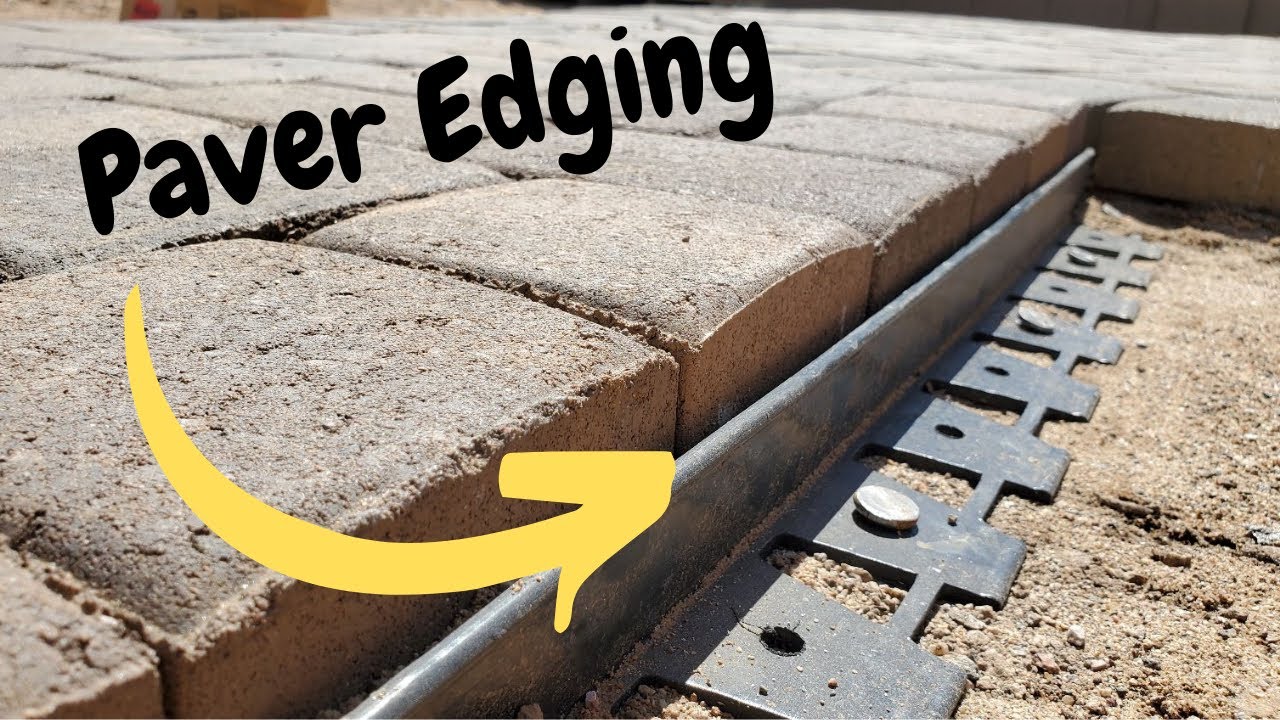
The setup of interlocking pavers entails numerous steps:
Site Preparation: Clearing up the area and guaranteeing proper drainage. Base Layer Creation: A solid base is essential for security; this generally includes smashed stone. Paver Placement: Meticulously laying the pavers in the preferred pattern. Joint Filling: Sand is swept right into the joints to lock the pavers together.Making a Lasting Impression: The Role of Interlocking Pavers in Landscape Design
Interlocking pavers play an important duty in boosting landscape layout by supplying practical paths, driveways, and patios while likewise functioning as visually enticing elements that stand out. Their versatility permits imaginative flexibility, making it possible for developers to incorporate them flawlessly into various designs-- from contemporary to rustic landscapes.
Design Flexibility with Interlocking Pavers
One of the standout features of interlacing pavers is their design adaptability. Home owners can mix colors and textures to create unique patterns that mirror individual design or enhance existing architecture.
Color Choices
- Neutral tones give a traditional look. Bright hues can add vibrancy.
Pattern Options
- Herringbone Basketweave Running bond
Landscape Integration Techniques
Creating Paths with Interlocking Pavers
Pathways function as functional aspects linking different locations within a landscape. Interlacing paver paths can assist guests with gardens or lead to exterior enjoyable spaces.
Driveways That Impress
Interlocking paver driveways improve visual charm substantially. They not just withstand car web traffic but likewise contribute to a cohesive look throughout the property.
Choosing the Right Paver Installer
Importance of Expert Installation
While some property owners may choose DIY installment, working with a specialist paver installer ensures that the work is done right. Specialists bring experience in selecting materials, comprehending water drainage requirements, and carrying out intricate layouts effectively.
Questions to Ask a Potential Installer
What experience do you have with interlocking paving installation? Can you provide referrals from previous clients? What guarantees do you provide on your work?Maintenance Tips for Longevity
Routine Care for Your Paved Surfaces
To preserve the aesthetic allure of your interlocking pavers:
- Regularly sweep away debris. Use a stress washer for deep cleaning as needed. Reseal every few years to secure versus stains and climate damage.
Dealing with Weeds and Moss
Weeds can sometimes grow in between joints-- using polymeric sand throughout installment assists avoid this concern by binding joints a lot more firmly than routine sand.
Sustainability Considerations
Eco-Friendly Advantages of Interlocking Pavers
Interlocking pavers usually feature permeable designs that allow rainwater to leak via as opposed to escape-- a vital advantage for sustainable landscape design practices.
Water Monitoring Solutions
This function aids mitigate swamping concerns while replenishing groundwater products-- a crucial component in contemporary landscape style strategies concentrated on sustainability.
Cost Elements Associated with Paving Installation
Estimating Expenses for Your Project
The cost of installing interlocking pavers varies based upon numerous variables:
- Material type Area size Installation complexity
Sample Expense Breakdown:
|Item|Average Price|| --------------------------|----------------|| Standard Concrete Paver|$3 - $5 per sq feet|| Costs Natural Stone|$10 - $20 per sq ft|
Hidden Prices You Ought to Be Aware Of
Don't forget potential hidden prices such as site preparation or water drainage solutions-- go over these with your installer beforehand!
Enhancing Aesthetic Charm with Interlocking Pavers
First Perceptions Matter
A properly designed driveway lined with interlacing pavers quickly improves aesthetic allure and sets a welcoming tone upon entrance right into your home.
Combining Landscape design Elements
Consider integrating landscaping features like flower beds or ornamental grasses along with paved locations to create visually striking contrasts and improve overall visual appeal.
Innovative Makes use of Beyond Traditional Applications
Outdoor Living Spaces
Transform outdoor patios into outdoor living-room utilizing interlacing paver layouts that define rooms while giving practical surfaces suitable for furniture placement or cooking areas.
Pool Decks That Wow
Safety meets design when picking interlocking pavers around swimming pools-- they give slip-resistant surfaces that enhance any type of swimming pool layout while aligning completely with bordering landscapes!
Frequently Asked Questions (Frequently asked questions)
1. How long do interlocking pavers last?
Interlocking pavers can last over 25 years if properly installed and maintained as a result of their long lasting materials and immune nature versus wear-and-tear factors like climate extremes.
2. Can I set up interlacing pavers myself?
While do it yourself setup is possible if you have some experience, employing specialists is recommended to guarantee top quality results-- particularly concerning drainage considerations!
3. What types of products are generally used?
Common products consist of concrete (most preferred), clay block (classic coating), granite (high-end choice), and permeable choices designed especially for water management purposes!
4. Are there color alternatives available?
Absolutely! From warm planet tones to lively shades-- there's something available at almost every price factor that matches specific preferences!
5. Is securing necessary?
While not mandatory-- it's advised every few years; sealing protects versus stains while improving color vibrancy over time!
6. Do weeds grow between them?
Occasionally indeed; nevertheless making use of polymeric sand https://landenbqjn289.trexgame.net/do-it-yourself-vs-expert-paver-installers-making-the-right-choice-for-your-job during setup minimizes this issue dramatically by maintaining gaps firmly sealed against undesirable growth!
Conclusion
In verdict, making an enduring impression through landscape layout pivots dramatically on utilizing interlocking pavers successfully within your outside rooms! With their robust qualities integrated with spectacular aesthetic influence-- the opportunities absolutely are countless! Whether it's developing elegant pathways leading guests throughout lavish gardens or specifying advanced patio areas excellent for enjoyable-- these functional rocks continue proving crucial throughout diverse settings! So why wait? Beginning exploring exactly how you can leverage these extraordinary products today-- and prepare change your landscape into something extraordinary!